
About Us
We are a passionate team dedicated to bringing social justice to leadership coaching.

Our History
Coaching for Social Justice began in 2020, in the aftermath of George Floyd’s murder, when many in the coaching community asked the same painful questions: What is our role? What are our responsibilities?
For coaches, the question was not abstract. Our clients make decisions that affect employees, teams, institutions, communities, families, and systems. Yet many coaches felt unprepared to engage skillfully when race, gender, power, privilege, identity, culture, and organizational inequity entered the coaching process. We had good intentions and coaching experience, but too often we lacked the shared frameworks, practice spaces, and supervision needed to respond with clarity, courage, and care.
So we launched with a simple premise: coaches need more than theory. We need a rigorous place to bring real cases and issues, examine our assumptions, strengthen our ethical stance, and practice working with the full reality of our clients’ lives.
By late summer 2020, 18 experienced leadership coaches from across the United States — representing a mix of gender, racial, and ethnic identities — had come together to learn from one another. For a year, we met monthly for intensive two-hour sessions. Each time, coaches brought real situations from their client engagements involving diversity, equity, inclusion, justice, and belonging (DEIJB).
Our learning was substantial. We developed broader awareness, greater skill, and a deeper understanding of how traditional coaching models can unintentionally overlook or minimize the real-world forces that shape a client’s experience. We saw that what we now call “social-justice-informed coaching” was not a departure from excellent coaching but an essential evolution.
That first pilot became the foundation for Coaching for Social Justice: a reflective-practice community where coaches develop the skills, steadiness, and ethical clarity to engage with identity, power, and equity in client work.
Since then, the need has only grown more urgent. We are coaching amid widening inequality, political division, democratic erosion, declining trust in institutions, and organized resistance to DEIJB efforts. In many workplaces, conversations have become more charged — and, in some settings, risky. Our clients are grappling with these realities every day. So are we who support them.
This is why our work matters. Coaching for Social Justice equips coaches with the awareness, knowledge, skill, steadiness, and courage to engage when matters of social justice and DEIJB are present. And when are they not? Our programs help coaches move beyond neutrality, while sustaining the core coaching commitments to client autonomy, resourcefulness, dignity, and self-determination.
On June 15, 2022, the Internal Revenue Service granted Coaching for Social Justice official tax-exempt nonprofit status. This structure embodies our purpose: not profit, but social impact. It allows us to reinvest in our mission, expand access, offer equity-based pricing, and invite tax-deductible donations that reduce cost as a barrier to participation.
Today, Coaching for Social Justice is a professional community for coaches who believe our work must meet the world as it is—and help clients imagine and create something better. We support you in coaching clients who must navigate inequitable systems with clarity, dignity, and agency; in coaching clients, many of whom are White, who have the opportunity and responsibility to help transform those systems; and in strengthening your own capacity as a coach through the rigorous support, reflection, and practice needed to do this work with integrity, courage, and care.
— Dan Brown, MCC, Executive Director & Board Chair
Our Program
Learn with other coaches committed to DEIJB in the workplace. Examine client cases. Raise ethical dilemmas. Work through personal barriers. Discover effective interventions – and avoid missteps.

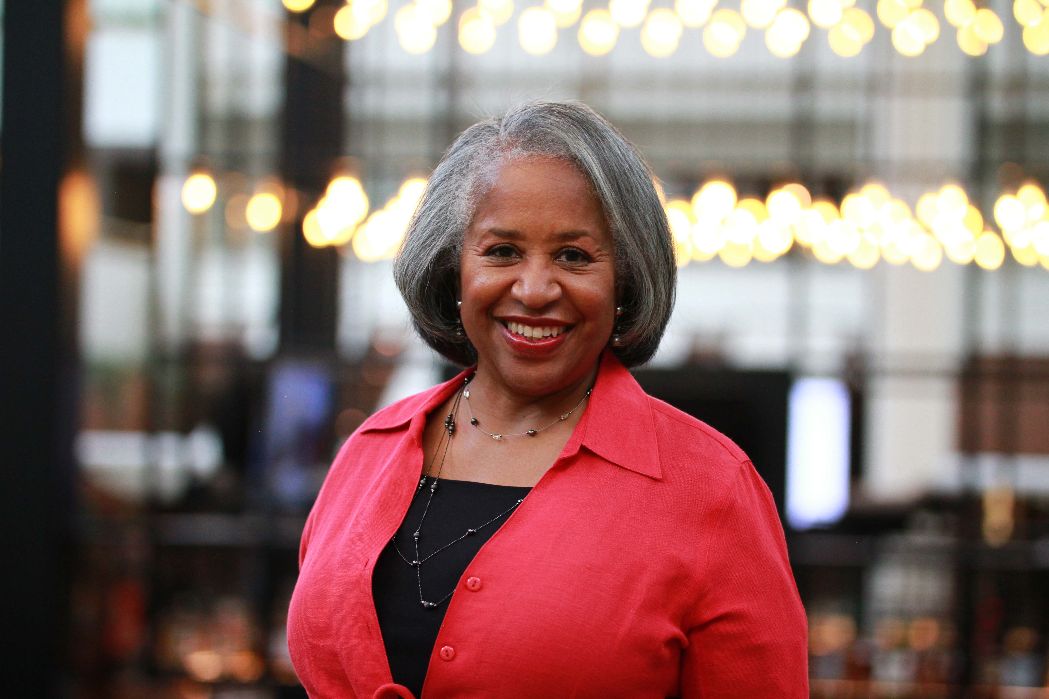
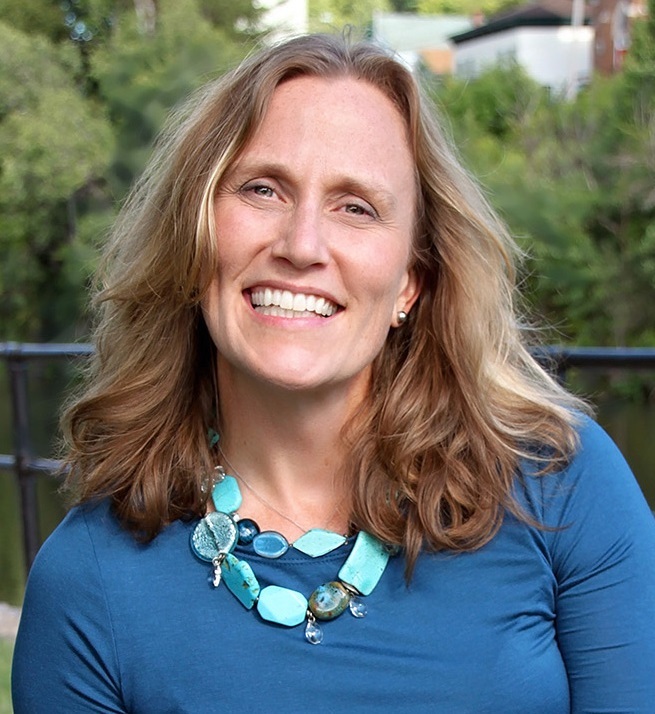
Meet the Supervisors


Frequently Asked Questions
Training typically follows a curriculum with differing degrees of interactivity, depending on the training program and trainer. In our reflective supervision program, a coaching supervisor helps the members of your small group (no more than 7 members including the coaching supervisor) to explore your work, as coaches, through a DEIJB lens. After an initial meeting where members meet each other and decide how you will work together, a typical session will provide time for 1 - 2 members of the group to share a case or issue that they would like to explore through a DEIJB lens. In a final session, group members will explore together what they are taking away from their work together.
Yes. We are committed to making it as easy as possible for all coaches to benefit from the program regardless of their financial circumstances. Our equity rate is currently available to any accepted registrants on an honor-system basis. If socio-economic factors would make investing the full rate a financial hardship, then please use the discount, no questions asked.
Yes, you may deduct the difference between the benefactor rate that you pay and the current and fair-market rate. If you pay the benefactor rate, we will provide a receipt substantiating your donation.
Supervision hours can count toward ICF CCEUs required for ICF renewal, up to a total of 10 hours per certification period for any supervision, including our program.
Groups are kept to no more than seven members, including the facilitating supervisor, to ensure rich dialogue and learning. If there is sufficient interest, CSJ plans to offer affinity-group supervision for coaches who would like to join a cohort composed of colleagues with the same or similar ethnic/racial identity. If an affinity-group experience interests you, please let us know.
To ensure the group and individual supervision sessions are safe learning environments, all communication that takes place within them will be held in strict confidence by the participants and supervisors indefinitely. Sessions will not be recorded.
The chemistry call affords you and your potential supervisor the opportunity to assess whether this program and the supervisor’s group seem likely to be a good fit. You might also have specific questions about the process that can be answered during the call.
If you cancel your registration and request a refund of your tuition payment, we will refund the full amount, less a $150 processing fee, on two conditions: (1) you request in writing to cancel your registration at least 28 days prior to the date of your cohort’s Initial Group Session (to give us time to try to find someone to take your place); and (2) we are successful in finding another participant for the group. If you miss the 28-day deadline or CSJ is unable to recruit another paid coach participant to take your place you will not receive any refund. If you drop out of the program (other than due to extraordinary circumstances), you will not be entitled to any refund. Our full cancellation and refund policy will be provided to you prior to paying to register.
Although we don’t require specific training in DEIJB prior to enrolling in our program, it will be helpful for you to have had some exposure to some of the basic concepts of DEIJB (e.g., systemic factors supporting racism, privilege, intersectionality).